
The French éclair, a pastry with roots in 18th-century Paris, has undergone a remarkable transformation. Originally known as “pain à la duchesse,” its journey reflects a blend of tradition and innovation. Over the years, the simple custard filling has diversified into a canvas for regional ingredients and creative flavors. Understanding this evolution not only highlights the éclair’s significance but also invites bakers to explore its rich heritage and inspire their menus. What lies beyond this delectable history?
Key Takeaways
- Éclairs originated in 18th-century France, showcasing French artistry with their rich cream filling and chocolate topping.
- Their evolution has introduced diverse flavors and intricate presentations, reflecting seasonal ingredients and creativity.
- Regional variations, like chocolat in Paris and salted caramel in Brittany, highlight local ingredients and historical significance.
- Éclairs symbolize culinary craftsmanship in French culture, serving as a staple in celebrations and communal gatherings.
- Incorporating historical elements into your bakery menu can foster storytelling and create a deeper connection with patrons.
The Origins of the Éclair: A Culinary Journey
As the sun rose over the bustling streets of 18th-century France, a culinary revolution was quietly taking shape in the kitchens of Parisian patisseries. The history of French éclairs began with the innovative use of pâte à choux, a versatile dough that would become the foundation for this beloved dessert. Originally known as “pain à la duchesse,” the éclair emerged as a sweet treat filled with rich cream and topped with glossy chocolate. Bakers experimented with flavors and techniques, crafting delicate pastries that captured the essence of French artistry. The éclair’s elegant form and luscious filling became symbols of indulgence, drawing the attention of both locals and visitors, forging a deeper connection to the culinary traditions of France.
Evolution of the French Éclair Through the Ages
The French éclair has undergone a remarkable transformation since its inception, evolving in both design and flavor to reflect the changing tastes of society. Initially a simple pastry filled with custard and glazed with chocolate, the éclair has embraced a variety of fillings, from rich creams to vibrant fruit purées. As culinary techniques advanced, so too did the éclair’s presentation, with intricate toppings and artistic flair becoming commonplace. The introduction of seasonal ingredients and innovative flavor combinations, such as matcha and salted caramel, showcases the pastry’s adaptability. This evolution not only highlights the creativity of bakers but also invites a sense of belonging, as each generation reinvents the éclair, making it a beloved staple in patisseries around the world.
Iconic Variations of Éclairs Across France
Éclairs have taken on a myriad of iconic variations across France, each region showcasing its unique take on this classic pastry. In Paris, the traditional chocolat éclairs reign supreme, filled with rich chocolate cream and topped with glossy ganache. Meanwhile, the northern region of Lille offers the delightful éclaire au café, infused with aromatic coffee flavors that evoke warmth and comfort. Down south, the éclairs de Provence feature lavender-infused cream, capturing the essence of the sun-drenched landscape. In Brittany, variations are often adorned with salted caramel, marrying sweet and savory in perfect harmony. Each region’s interpretation not only highlights local ingredients but also reflects the rich history of French éclairs, inviting pastry lovers to explore a diverse palette of flavors.
The Cultural Significance of Éclairs in French Cuisine
Throughout French cuisine, éclairs hold a notable place, symbolizing not only culinary artistry but also cultural heritage. These delicate pastries, with their crisp choux pastry shells filled with rich cream and adorned with glossy icing, represent the meticulous craftsmanship of French patisserie. Historically, éclairs have been served during celebrations, signifying joy and indulgence among family and friends. They evoke a sense of nostalgia, as generations gather to savor their flavors, strengthening communal bonds. Additionally, éclairs embody the French ethos of “joie de vivre,” celebrating life’s sweet moments. In contemporary settings, they continue to inspire creativity and innovation, making their presence essential in any bakery that seeks to honor the rich history of French éclairs while nurturing shared experiences.
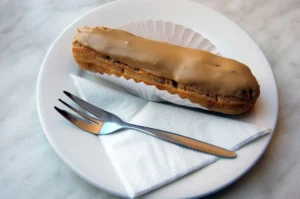
Incorporating the History of French Éclairs Into Your Bakery Menu
Incorporating the history of French éclairs into a bakery menu not only enhances its appeal but also deepens the connection between patrons and the culinary traditions of France. By highlighting the evolution of this exquisite pastry, bakers can create a narrative that entices customers. Offering variations inspired by notable eras—such as the classic chocolate éclair, reminiscent of 19th-century Paris, or modern twists featuring gourmet fillings—invites exploration and conversation. Engaging patrons with stories about the éclairs’ origins, from their royal beginnings to their place in contemporary culture, fosters a sense of belonging. This thoughtful integration of the history of French éclairs transforms each bite into a shared experience, celebrating the artistry and heritage that define these beloved pastries.
Frequently Asked Questions
What Ingredients Are Essential for Making Traditional French Éclairs?
Essential ingredients for traditional French éclairs include high-quality flour, butter, eggs, and water for the choux pastry, while rich pastry cream and a glossy chocolate glaze complete the treat, ensuring a delightful culinary experience.
How Long Do Éclairs Typically Last After Baking?
Éclairs typically last 1 to 2 days after baking when stored in a cool, dry place. For ideal freshness and flavor, they are best enjoyed within the first day of preparation, enhancing their delightful experience.
Can Éclairs Be Frozen for Later Use?
Éclairs can be successfully frozen for later use. Wrapped tightly in plastic wrap and stored in an airtight container, they retain their texture and flavor, making them a delightful treat even after being frozen.
What Are Common Mistakes to Avoid When Making Éclairs?
Common mistakes when making éclairs include overmixing the choux pastry, failing to properly pipe the dough, underbaking which results in sogginess, and neglecting to cool them completely before filling, affecting texture and flavor balance.
How Should Éclairs Be Stored to Maintain Freshness?
Éclairs should be stored in an airtight container at room temperature for up to two days. For longer freshness, refrigeration is recommended, but this may affect their texture. Consume promptly for the best experience.
Conclusion
Incorporating the rich history of French éclairs into a bakery menu not only honors a beloved pastry but also invites patrons on a delectable journey through time. By embracing their evolution and regional variations, bakers can craft a menu that celebrates both tradition and innovation. This approach not only enhances the culinary experience but also fosters a deeper connection between customers and the art of French patisserie, creating a shared appreciation for the cultural significance of these exquisite treats.
You May Also Like To Read: