
The choice between trenchless repair and traditional excavation is pivotal for property protection. Trenchless methods offer reduced surface disruption, minimizing risks to surrounding structures, particularly in urban settings. In contrast, excavation can cause significant disturbance and potential hazards, but may be necessary for extensive damage. Understanding these differences is essential. Property owners must carefully evaluate their options, considering both the extent of damage and budget constraints before making a decision. What factors should influence their choice?
Key Takeaways
- Trenchless repair minimizes surface disruption, preserving landscaping and reducing property damage compared to traditional excavation methods.
- Pipe bursting and horizontal directional drilling are effective trenchless techniques that enhance utility system integrity.
- Excavation requires significant soil removal, which can damage surrounding structures and complicate restoration efforts.
- Trenchless methods generally save time and labor costs, making them more efficient for urban environments.
- Choosing the right method depends on damage extent, location, budget, and professional consultation for tailored solutions.
Trenchless Repair vs Excavation: What You Need to Know
When considering the options for underground infrastructure repair, a clear distinction emerges between trenchless repair and traditional excavation methods. Trenchless repair utilizes innovative techniques to minimize surface disruption, allowing for efficient rehabilitation of pipelines without extensive digging. This method often results in lower restoration costs and reduced environmental impact, appealing to property owners concerned about the disruption caused by excavation. In contrast, traditional excavation involves significant ground disturbance, leading to potential complications such as damage to surrounding structures and lengthy project timelines. Ultimately, the choice between trenchless repair vs excavation hinges on project requirements, budget constraints, and the desired level of disruption, making it essential for property owners to weigh these factors carefully to determine the most suitable approach.
How Trenchless Repair Works
Trenchless repair employs advanced techniques to restore underground infrastructure with minimal surface disruption. This method typically utilizes technologies such as pipe bursting and horizontal directional drilling (HDD). In pipe bursting, a new pipe is installed by fracturing the existing one, allowing for efficient replacement without extensive excavation. Conversely, HDD involves drilling a borehole to install a new pipe alongside the existing one, considerably reducing the impact on the surrounding environment. Both techniques enhance the integrity of utility systems while preserving landscapes and minimizing property damage. By choosing trenchless repair over traditional excavation methods, property owners benefit from reduced restoration costs and enhanced operational efficiency, affirming the importance of informed decision-making in the trenchless repair vs excavation debate.
Understanding Excavation Techniques
Excavation techniques are vital for traditional underground infrastructure repair and installation, particularly when trenchless methods are not applicable. These techniques typically involve the removal of soil and other materials to access subsurface utilities or structures. Common methods include open-cut excavation, where a trench is dug to expose the entire section of the pipeline, and selective excavation, which focuses on specific areas to minimize disruption. Each technique demands careful planning to guarantee safety, compliance with regulations, and effective restoration of the site post-repair. Additionally, excavation may require the use of heavy machinery, precise mapping of existing utilities, and environmental considerations to mitigate impact. Understanding these methodologies is essential for informed decisions in the ongoing discussion of trenchless repair vs excavation.
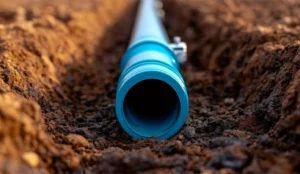
Key Differences Between Trenchless Repair vs Excavation
The distinction between trenchless repair and excavation methods is essential for effective infrastructure management. Trenchless repair techniques minimize surface disruption, allowing for repairs or replacements to be executed with minimal excavation. This method utilizes specialized equipment to install or rehabilitate pipelines without extensive digging, preserving the surrounding environment. In contrast, excavation involves the physical removal of soil and debris to access utilities, often leading to significant surface disruption and potential damage to landscaping or structures. Additionally, trenchless methods generally require less time and labor, resulting in cost savings. However, excavation may be necessary for extensive repairs where trenchless options are not feasible. Understanding these key differences enables informed decisions regarding the best approach for property protection.
Choosing the Best Method for Your Property
How can property owners determine the most suitable method for their specific needs? The decision between trenchless repair vs excavation hinges on several critical factors. First, property owners should assess the extent and nature of the damage; trenchless repair is often ideal for minor issues, while excavation may be necessary for more severe structural problems. Second, evaluating the surrounding environment is essential; urban settings may favor trenchless methods to minimize disruption, while rural areas might accommodate excavation. Budget considerations also play a significant role, as trenchless techniques can be more cost-effective in the long run. Finally, consulting with professionals who specialize in both methods can provide valuable insights tailored to individual property requirements, ensuring informed decision-making.
Frequently Asked Questions
What Is the Cost Difference Between Trenchless Repair and Excavation?
The cost difference between trenchless repair and excavation varies considerably. Trenchless repair generally incurs lower costs due to reduced labor and restoration needs, while excavation can be more expensive due to extensive site disruption and restoration.
How Long Do Trenchless Repairs Typically Take to Complete?
Trenchless repairs typically require one to three days for completion, depending on the complexity and scope of the project. This efficiency minimizes disruption, making it a preferred option compared to traditional excavation methods.
Are There Environmental Impacts Associated With Excavation?
Excavation often results in significant environmental impacts, including soil disruption, increased erosion, and potential groundwater contamination. These factors can adversely affect local ecosystems, highlighting the need for more sustainable alternatives like trenchless repair when appropriate.
Can Trenchless Methods Be Used for All Types of Pipelines?
Trenchless methods can be employed for various pipeline types, including water, sewer, and gas lines. However, specific conditions, such as soil type and existing infrastructure, may limit their applicability compared to traditional excavation techniques.
What Materials Are Commonly Used in Trenchless Repair Methods?
Common materials used in trenchless repair methods include high-density polyethylene (HDPE), cured-in-place pipe (CIPP), fiberglass, and various types of epoxy resins. These materials enhance durability, flexibility, and resistance to corrosion in pipeline applications.
Conclusion
In summary, the choice between trenchless repair and traditional excavation hinges on project requirements, budget considerations, and the extent of damage. Trenchless methods offer minimal disruption and lower risk to surrounding structures, making them suitable for urban settings. Conversely, excavation may be necessary for extensive repairs despite its inherent risks. By carefully evaluating these factors, property owners can select the most effective approach to guarantee infrastructure integrity while safeguarding their landscapes.
You May Also Like To Read: